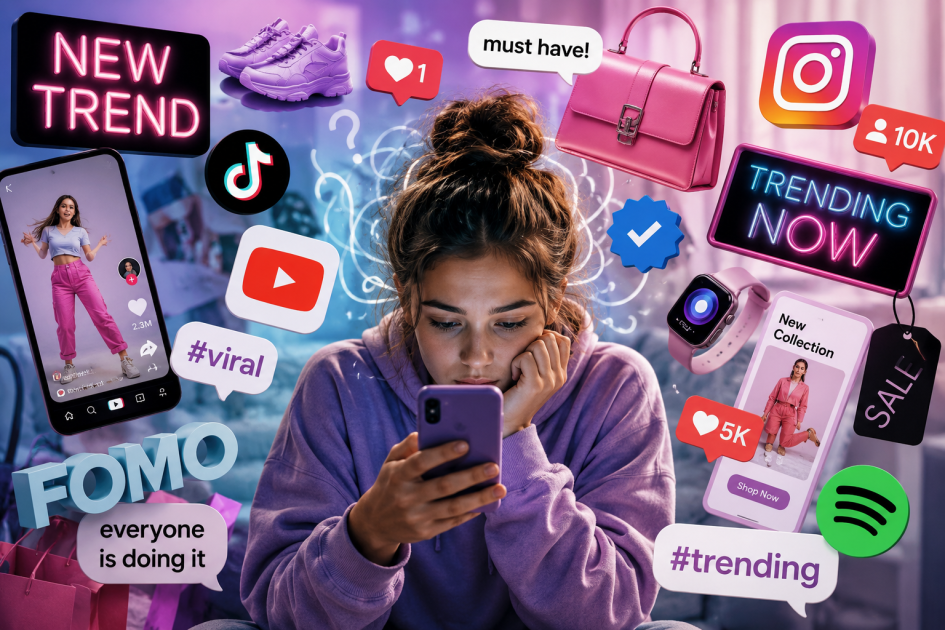
In today's digital world, trends move faster than ever before. A viral TikTok challenge can reach millions of people within hours, a fashion item can sell out overnight, and a new internet phrase can become part of everyday conversations almost instantly. While most people casually follow trends from time to time, some individuals become deeply invested in constantly tracking, adopting, and discussing the latest developments. These people are often referred to as "trend addicts."
But who are trend addicts, and why do some people become so attached to staying ahead of every new trend?
Who Are Trend Addicts?
Trend addicts are individuals who actively seek out the newest products, ideas, styles, technologies, social media topics, and cultural movements. They often feel a strong desire to be among the first to discover and share emerging trends.
You can find trend addicts in many areas of life:
- Social media influencers following viral content
- Fashion enthusiasts tracking seasonal styles
- Tech lovers purchasing the newest gadgets
- Music fans discovering emerging artists
- Consumers constantly trying new products and services
For trend addicts, staying current is more than a hobby. It becomes part of their identity and how they connect with the world around them.
The Psychology Behind Trend Addiction
Fear of Missing Out (FOMO)
One of the strongest drivers behind trend addiction is the fear of missing out. Social media platforms constantly expose users to what others are doing, buying, watching, and discussing.
When people see friends or influencers participating in a trend, they may feel pressure to join in. Staying updated becomes a way to avoid feeling excluded from conversations and social experiences.
Social Validation
Humans naturally seek acceptance and recognition from others. Being among the first to discover a trend can provide a sense of status and social value.
When someone shares a new trend before it becomes mainstream, they may receive attention, likes, comments, and admiration. This positive feedback reinforces the behavior and encourages them to continue searching for the next big thing.
Dopamine and Novelty
The human brain is naturally attracted to novelty. Discovering something new triggers the release of dopamine, a neurotransmitter associated with pleasure and reward.
Each new trend provides a small burst of excitement. Over time, people may begin seeking that feeling repeatedly, leading to a cycle of constantly searching for fresh content, products, and experiences.
The Role of Social Media
Modern social media platforms are specifically designed to highlight trending content.
Algorithms on TikTok, Instagram, YouTube, Facebook, and X prioritize engagement and often promote viral topics. Users are continuously exposed to:
- Trending hashtags
- Viral videos
- Popular products
- Breaking news
- Influencer recommendations
This creates an environment where trends are impossible to ignore. The faster content spreads, the stronger the pressure to keep up.
Why Trends Spread So Quickly
Instant Communication
Information travels globally within seconds. A trend that starts in one country can become worldwide within a single day.
Influencer Culture
Influencers act as trend amplifiers. Their recommendations can rapidly introduce new products, ideas, and behaviors to millions of followers.
Community Participation
People enjoy feeling part of a larger group. Participating in trends creates a sense of belonging and shared experience.
Accessibility
Online shopping, streaming platforms, and social media make it easier than ever to access and adopt new trends immediately.
When Following Trends Becomes a Problem
Following trends is not inherently negative. In fact, it can help people discover new interests, stay informed, and connect with others.
However, trend addiction can become unhealthy when it leads to:
- Excessive spending on unnecessary products
- Constant comparison with others
- Anxiety about staying relevant
- Reduced self-confidence
- Dependence on social validation
Some individuals may feel pressure to constantly update their appearance, lifestyle, or opinions simply because trends are changing.
The Positive Side of Trend Awareness
Not all trend followers are addicted. Many people use trend awareness productively.
Benefits can include:
- Early discovery of useful technologies
- Exposure to new ideas and cultures
- Professional advantages in marketing and business
- Creative inspiration
- Stronger understanding of consumer behavior
In many industries, recognizing trends early can be a valuable skill rather than a problem.
Finding a Healthy Balance
The key is learning to engage with trends without becoming controlled by them.
Healthy trend followers tend to:
- Choose trends that align with their values
- Avoid impulsive purchases
- Maintain their own identity
- Use social media mindfully
- Focus on long-term interests rather than constant novelty
By doing so, they can enjoy the benefits of staying informed while avoiding the stress that often accompanies trend addiction.
Trend addicts are a product of a highly connected digital world where new ideas emerge and spread at unprecedented speed. Driven by curiosity, social validation, fear of missing out, and the brain's attraction to novelty, they continuously seek the next big thing.
While trend awareness can be beneficial, an unhealthy obsession with staying current may lead to anxiety, overspending, and a loss of personal identity. Understanding the psychology behind trend addiction can help individuals develop a healthier relationship with social media, consumer culture, and the ever-changing world of trends.
