Every day, people make decisions about what to wear, what to buy, what content to watch, and even what opinions to express. While many of us like to believe that our choices are entirely independent, trends play a much larger role in shaping our behavior than we often realize. From fashion and technology to social media challenges and political movements, trends have a powerful influence on the way people think, feel, and act.
What Is a Trend?
A trend is a pattern of behavior, preference, or interest that gains popularity among a group of people over a certain period of time. Trends can emerge in virtually any area of life, including fashion, entertainment, health, technology, travel, and social values.
Some trends last only a few days, while others can shape entire generations. Regardless of their duration, trends influence people's minds by creating a sense of what is considered normal, desirable, or socially acceptable.
The Psychology Behind Following Trends
Humans are social creatures. Throughout history, survival often depended on being part of a group. As a result, our brains are naturally wired to pay attention to what others are doing.
Psychologists refer to this phenomenon as "social proof." When people are uncertain about a decision, they often look to others for guidance. If a large number of individuals appear to support a certain idea, product, or behavior, it automatically becomes more attractive.
For example, when a video receives millions of views or a product sells out repeatedly, people tend to assume it must have value. This perception alone can increase demand and further accelerate the trend.
How Social Media Amplifies Trends
Social media platforms have dramatically increased the speed at which trends spread. In the past, trends were largely influenced by celebrities, television, magazines, and local communities. Today, a single viral post can reach millions of people within hours.
Algorithms are designed to promote content that receives strong engagement. As users interact with trending topics, platforms continue showing similar content, creating a feedback loop that reinforces the trend.
This constant exposure affects people's perceptions in several ways:
- It increases familiarity with a particular idea or product.
- It creates a sense of urgency or fear of missing out (FOMO).
- It encourages imitation of popular behaviors.
- It influences purchasing decisions and lifestyle choices.
The more frequently people encounter a trend, the more likely they are to view it positively.
Trends and Consumer Behavior
Businesses understand the psychological power of trends and frequently use them in marketing strategies. Consumers often associate trending products with popularity, quality, and social status.
Limited-edition releases, viral marketing campaigns, and influencer partnerships all leverage the human desire to participate in what others are already doing.
For example, when a fashion item becomes popular on social media, consumers may purchase it not only because they like its appearance but also because it helps them feel connected to a larger community.
This phenomenon can be observed across industries, from fashion and beauty to technology and entertainment.
The Emotional Impact of Trends
Trends do more than influence purchasing behavior. They can also shape emotions and self-perception.
Positive trends can inspire creativity, encourage healthy habits, and help people discover new interests. Fitness challenges, environmental movements, and educational content are examples of trends that can have beneficial effects.
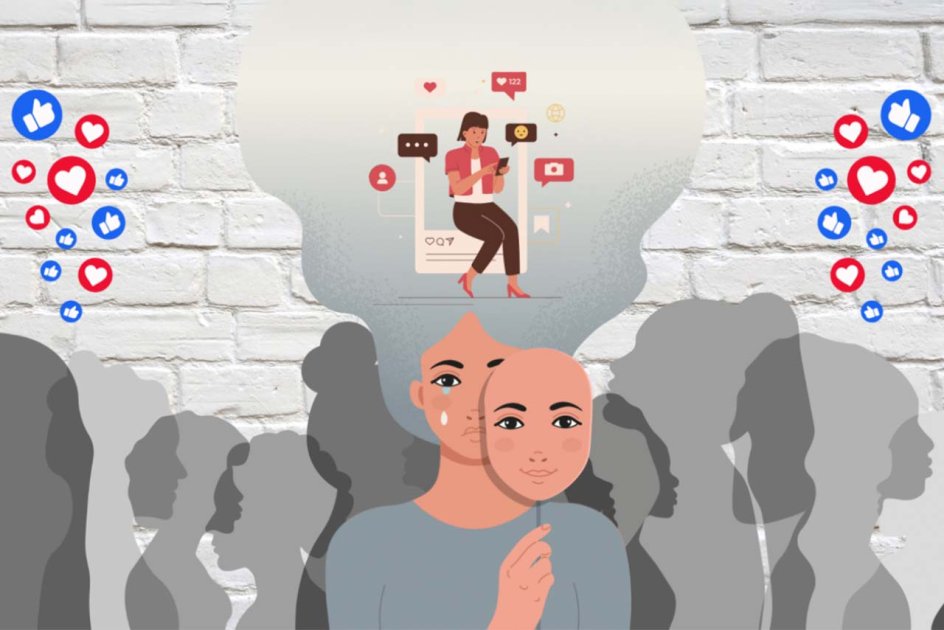
However, trends can also create pressure. Constant exposure to idealized lifestyles, beauty standards, or success stories may lead some individuals to compare themselves unfavorably to others. This comparison can contribute to anxiety, reduced self-esteem, and feelings of inadequacy.
Understanding these effects helps people engage with trends more consciously.
Why Some People Resist Trends
Not everyone follows trends at the same rate. Personality, age, culture, and personal values all influence how individuals respond to popular movements.
Some people actively seek new trends because they enjoy novelty and social connection. Others prefer stability and are more skeptical of popular opinions.
Interestingly, even those who reject mainstream trends are often influenced by alternative trends within their own communities. This demonstrates how deeply social influence is embedded in human behavior.
Can Trends Change Society?
Throughout history, trends have played a major role in driving social change. Ideas that begin as small movements can eventually transform cultural norms and public attitudes.
Examples include:
- Sustainability and eco-friendly living.
- Remote work and digital lifestyles.
- Mental health awareness.
- Body positivity movements.
- Technological adoption and digital communication.
When enough people embrace a trend, it can reshape industries, influence government policies, and alter social expectations.
How to Think Critically About Trends
While trends are a natural part of society, it is important to evaluate them thoughtfully rather than following them automatically.
Consider asking yourself:
- Why is this trend becoming popular?
- Who benefits from its popularity?
- Does it align with my personal values?
- Am I interested because I genuinely like it or because everyone else does?
Developing this awareness can help people make more informed decisions while still enjoying the positive aspects of cultural trends.
Trends influence people's minds by shaping perceptions, behaviors, emotions, and social norms. They tap into fundamental psychological needs such as belonging, acceptance, and curiosity. In today's digital world, social media has amplified their impact, allowing ideas and behaviors to spread faster than ever before.
Although trends can inspire innovation and create positive social change, they can also encourage conformity and pressure. By understanding the psychology behind trends, individuals can engage with them more consciously and make choices that reflect their own values rather than simply following the crowd.
