The United States continues to lead the global digital economy, but 2026 marks a turning point: digital is no longer just a channel — it is the primary infrastructure of everyday life, business, and culture.
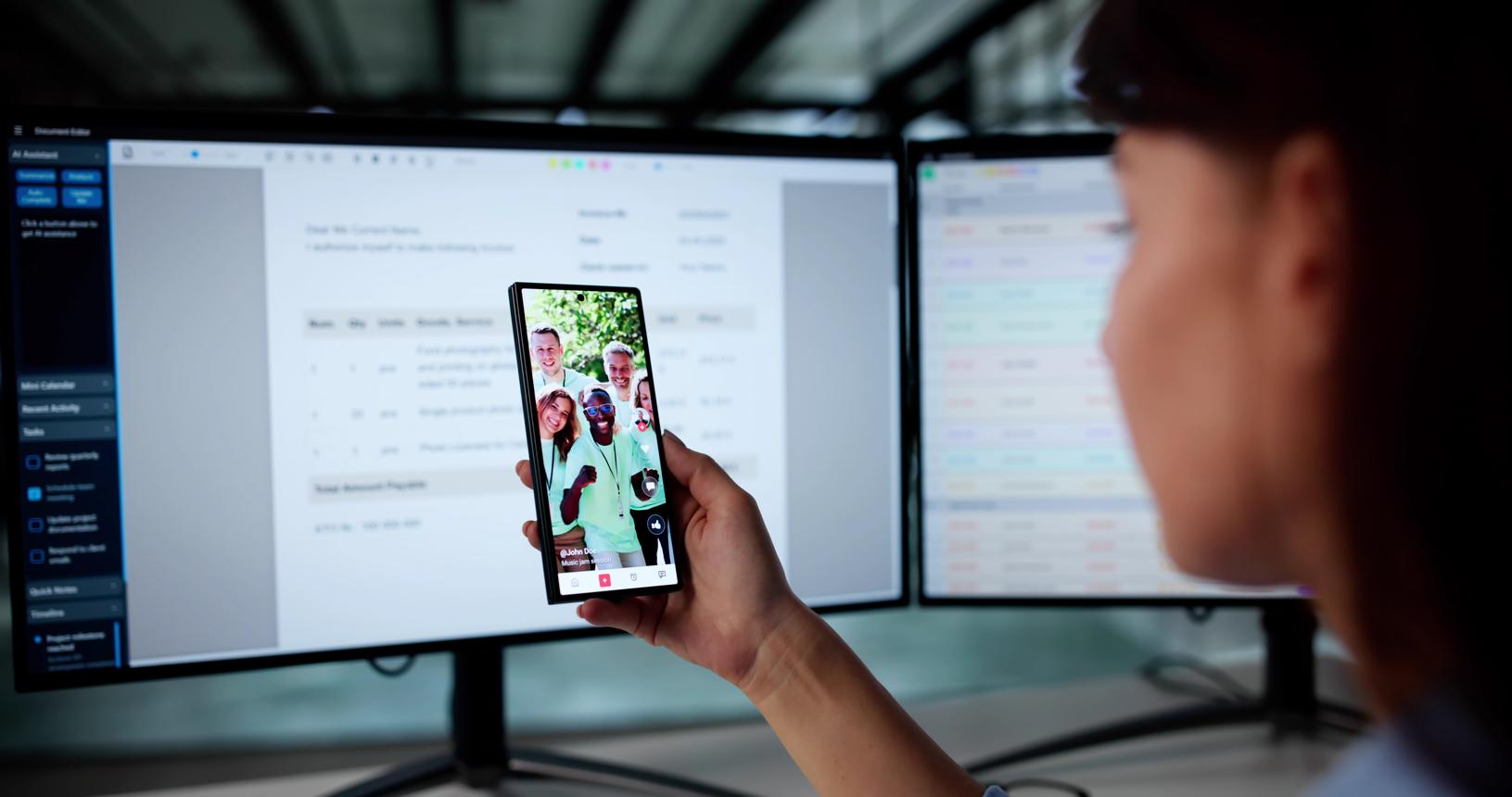
From artificial intelligence reshaping work to social platforms redefining search and commerce, the pace of change is accelerating across every sector.
1. Near-Universal Connectivity and Digital Saturation
The U.S. has reached a stage of digital maturity where growth is no longer about access — but about behavior and engagement.
- 324 million internet users (93% penetration)
- 254 million social media users
- 417 million mobile connections
This saturation means competition is shifting from acquiring users to capturing attention in a fragmented, always-on environment.
2. AI Goes Mainstream Across Work and Life

Artificial intelligence is no longer experimental—it’s embedded in daily workflows.
- 50% of U.S. employees use AI at work
- 28% use it weekly or daily
- 65% report improved productivity
AI is transforming content creation, customer service, marketing automation, and decision-making.
3. The Evolution of Search: From Google to Social Discovery
Search behavior is undergoing a structural transformation—from keyword-based engines to social and AI-driven discovery.
- Social media is a top product discovery channel
- Gen Z uses TikTok and YouTube as search engines
- Algorithms increasingly replace traditional search intent
4. Digital Advertising Becomes a $400B+ Market
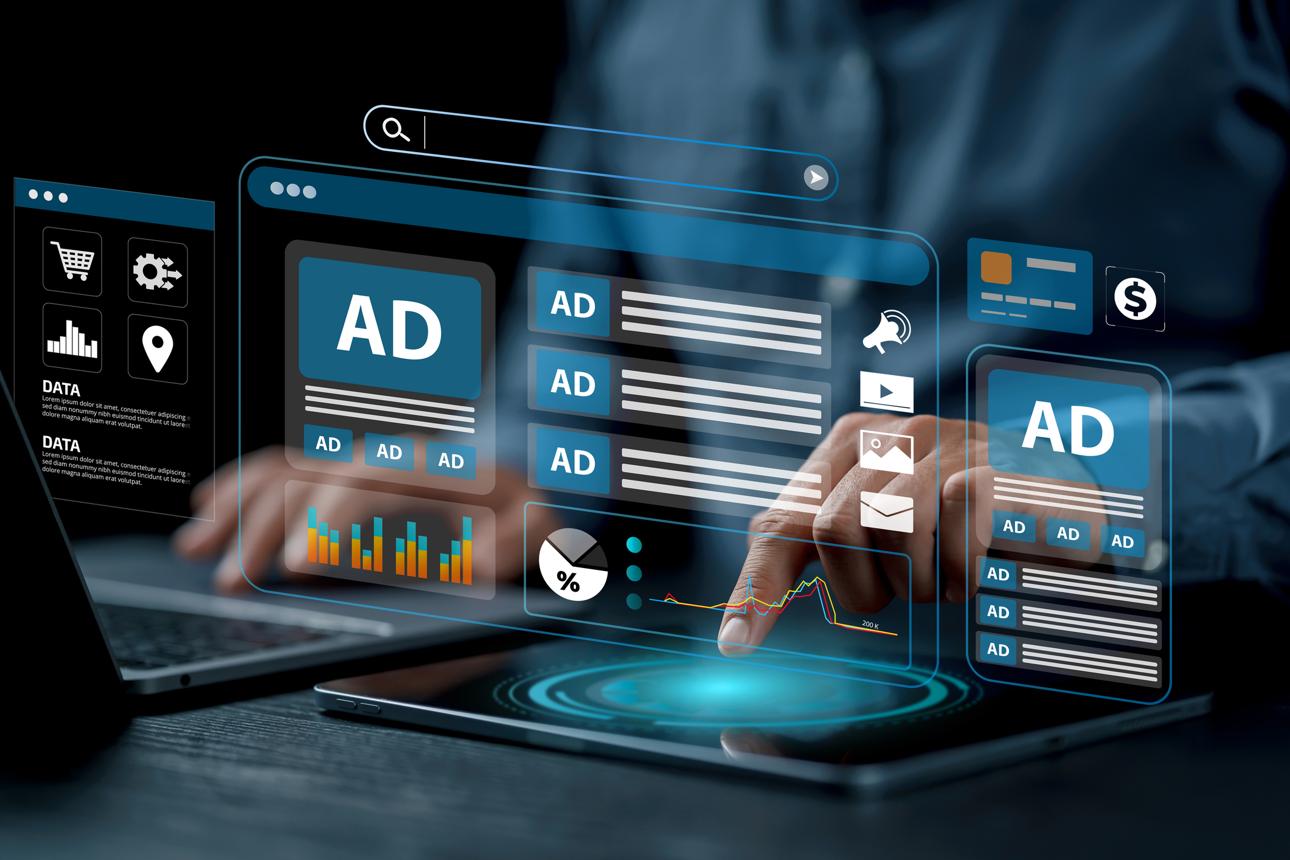
The U.S. digital advertising market continues its rapid expansion.
- $413+ billion projected in 2026
- $645 billion expected by 2029
Key drivers include retail media networks, connected TV, AI automation, and first-party data strategies.
5. Streaming, CTV, and the Decline of Linear TV
Traditional television is rapidly losing relevance as streaming platforms dominate.
- Growth of connected TV (CTV)
- Rise of ad-supported streaming
- Continued cord-cutting
Streaming offers better targeting, measurement, and audience segmentation for advertisers.
6. Creator Economy and Content Explosion
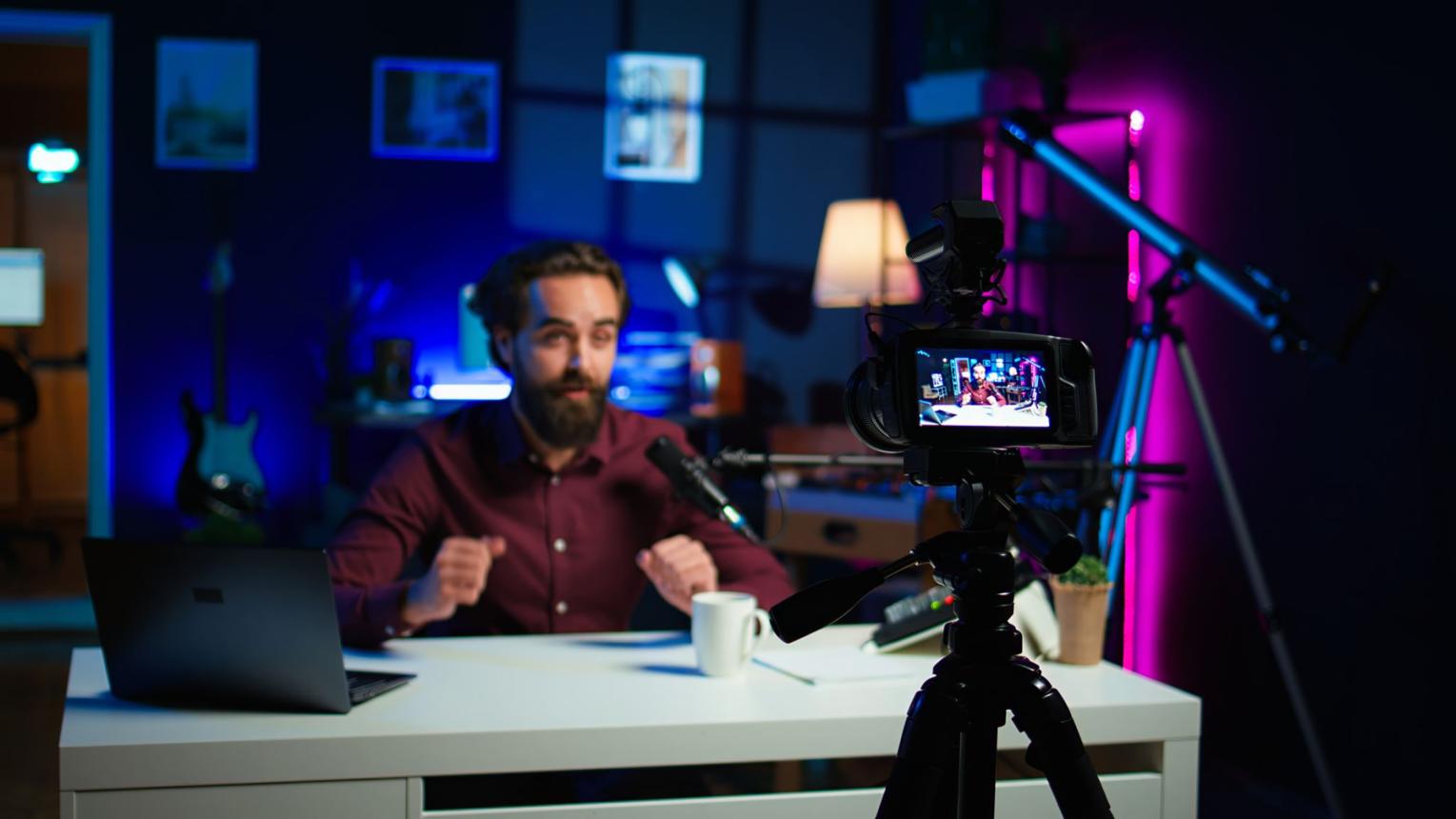
The creator economy is evolving into a highly professional and competitive ecosystem.
- Hundreds of millions of creators worldwide
- 80% use AI tools
- Multiple monetization channels emerging
AI is accelerating content production while raising quality expectations.
7. Convergence of Commerce, Content, and Community
One of the defining trends of 2026 is the merging of e-commerce, social media, and entertainment.
- Shoppable content
- Livestream commerce
- Community-driven brands
8. Privacy, Regulation, and First-Party Data
Data privacy is reshaping digital strategy in the U.S.
- Expansion of privacy laws
- Decline of third-party cookies
- Shift to first-party data
Companies are investing in owned audiences and transparent data practices.
9. Digital Transformation Becomes Core Strategy
Digital transformation is no longer optional — it is foundational to business success.
Organizations are prioritizing cloud infrastructure, automation, AI integration, and analytics.
Digital is no longer a separate function — it is the operating system of modern business.The U.S. digital landscape in 2026 is defined by rapid innovation, AI integration, and shifting consumer behavior.
- AI is the most transformative force
- Social platforms are reshaping discovery
- Advertising is becoming automated and data-driven
- Privacy is redefining marketing strategies
Success in 2026 will depend on adaptability, innovation, and the ability to build direct relationships with users.
