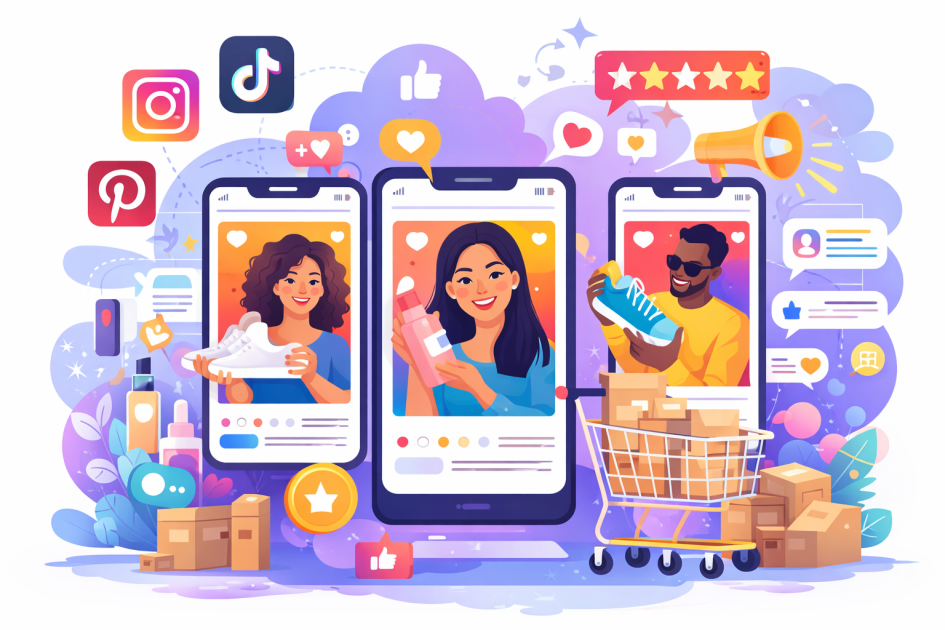
In the past, discovering new products was a fairly predictable journey. Consumers relied on TV ads, search engines, in-store browsing, or word-of-mouth recommendations. Today, that journey has been dramatically reshaped. Social media platforms have become powerful discovery engines, influencing what people buy, how they shop, and even what they consider desirable.
From viral TikTok trends to curated Instagram feeds, product discovery is now more dynamic, personalized, and immediate than ever before.
The Shift from Search to Discovery
Traditionally, consumers actively searched for products they needed. Now, products often find consumers first.
Social media platforms like TikTok, Instagram, and Pinterest use advanced algorithms to show users content tailored to their interests. This means users are constantly exposed to products they didn’t even know they wanted.
Instead of typing queries into search bars, people scroll — and discover.
The Power of Influencers and Creators
One of the biggest drivers of modern product discovery is influencer marketing. Content creators have built loyal audiences who trust their opinions and recommendations.
- It feels more authentic than traditional advertising
- It reaches a highly targeted audience
- It can generate instant demand
A single viral video can turn an unknown product into a global bestseller overnight, especially on fast-growing platforms.
Visual Content Drives Decisions
Social media is inherently visual, which makes it ideal for showcasing products in real-life contexts.
- Watch how a product works
- See it styled in different ways
- Observe real user experiences
This visual storytelling helps consumers connect emotionally with products and speeds up decision-making.
Social Proof and Community Influence
Another major shift is the importance of social proof. Likes, comments, shares, and reviews act as trust signals for potential buyers.
- Positive feedback from users builds confidence
- High engagement increases perceived value
- Community recommendations feel more authentic
People increasingly rely on peer opinions rather than traditional advertising.
Seamless Shopping Experience
Social media platforms are no longer just for discovery — they are becoming full shopping ecosystems.
- In-app purchases
- Shoppable posts
- Live shopping events
These features allow users to move from discovery to purchase in just a few clicks, reducing friction and encouraging impulse buying.
Personalization at Scale
Algorithms analyze user behavior — what you like, watch, and engage with — to deliver highly personalized product recommendations.
This creates a unique shopping experience for every user, making discovery feel natural and relevant.
The Rise of Micro-Trends
Social media has accelerated the pace of trends. Instead of long-term product cycles, we now see rapid micro-trends.
- Viral “must-have” products
- Trending aesthetics
- Niche lifestyle movements
Brands must adapt quickly to stay relevant in this fast-moving environment.
Challenges and Considerations
While social media offers many advantages, it also presents challenges:
- Overconsumption due to constant exposure
- Misinformation about product quality
- Short product lifecycles driven by trends
Consumers should remain mindful, while brands must prioritize authenticity.
Social media has fundamentally transformed how people discover products. It has shifted the process from intentional searching to passive discovery, driven by algorithms, influencers, and engaging content.
As platforms continue to evolve, the line between entertainment and shopping will blur even further, creating new opportunities for both consumers and brands.
